Thousands of pages of previously sealed communications involving Jeffrey Epstein and associates have been released by the U.S. House Oversight Committee, and the revelations are sending ripples through Washington. Among the most talked-about? Emails that reference Donald Trump in surprising ways, and political actors now scrambling to manage damage control.
The messages span years — from 2010 and beyond, following Epstein’s 2008 conviction. One email from July 23 2010 asks plainly: “Can you call me? I am with Tigrane. He would like to meet you… we have 8 top girls.” The recipient’s name is redacted. The tone is chilling, casual, business-like. :contentReference[oaicite:3]{index=3}
While no direct evidence in the messages proves Trump’s personal involvement in trafficking or illegal acts, Epstein does reference Trump in other exchanges — one calling him “the dog that hasn’t barked” and alleging he “spent hours” with one of Epstein’s victims. :contentReference[oaicite:4]{index=4}
In reaction, Trump’s team has not issued a full explanation — but has criticised Democrats for selective leaks and called the documents part of a “political distraction.” A White House official told journalists: “These emails prove literally nothing.” :contentReference[oaicite:5]{index=5}
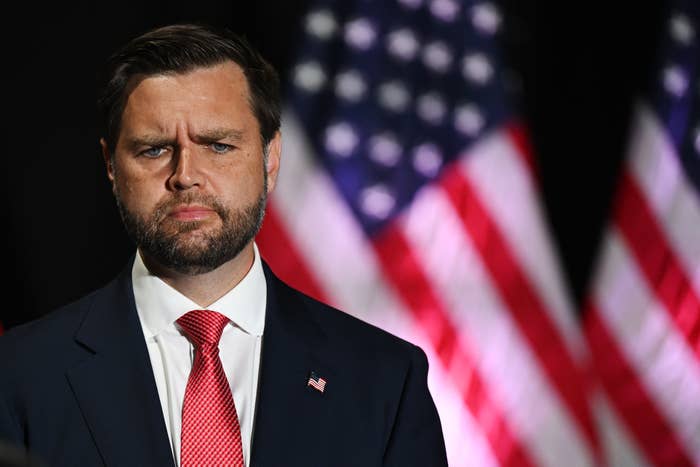
Meanwhile, political watchers are zeroing in on Vice President J.D. Vance’s role. The same week the documents dropped, reports emerged that Vance had convened a behind-closed-doors strategy meeting with senior Trump-administration officials — including Attorney General Pam Bondi, FBI Director Kash Patel and others — to discuss how to respond. Some reports claim Vance denied the meeting ever happened; others say it did. :contentReference[oaicite:7]{index=7}
That discrepancy has political consequences. For Trump, it raises questions about how he will handle possible future disclosures. For Vance, it speaks to his influence in shaping legal and media strategy — and the risk of being caught between loyalty to Trump and accountability to the public.
Legal experts warn that the mere existence of the emails doesn’t guarantee prosecutions — but it does pose reputation and integrity risks. The Justice Department and FBI have repeatedly stated they found no “client list” or definitive evidence implicating other powerful figures. That message came straight from internal reviews. :contentReference[oaicite:8]{index=8}
Still, for victims of Epstein’s network, the documents mean something very real: visibility. They mark another wave of public pressure for full transparency from institutions that have long been accused of protecting the powerful. :contentReference[oaicite:9]{index=9}
One former official whose identity appears in the emails told BuzzFeed in an interview that the tone of the messages — references to “top girls,” travel, houses in Ibiza — “reads like a business plan” for exploitation. He added: “The fact that this is on paper, in emails, matters. It shows organisation. It shows access.”
For Trump’s political coalition, there’s a balancing act: remain loyal to supporters who believe Epstein’s files will unveil major scandals, while managing the blowback from associations. The campaign trail has felt this tension — promising disclosures, yet holding back caution. Negotiating that space has become one of the defining issues of the 2025 cycle. :contentReference[oaicite:10]{index=10}
Even media watchdogs are taking note. Some are calling this moment a test of whether elite networks remain untouchable, or whether public and political pressure finally forces meaningful oversight. If nothing else, the release of the emails has reignited a national conversation about power, privilege and protection.
As the dust settles, one phrase echoes: the truth may not always lie in one email or exchange, but in the pattern they reveal. And that pattern, for Epstein and his associates, is increasingly hard to ignore.