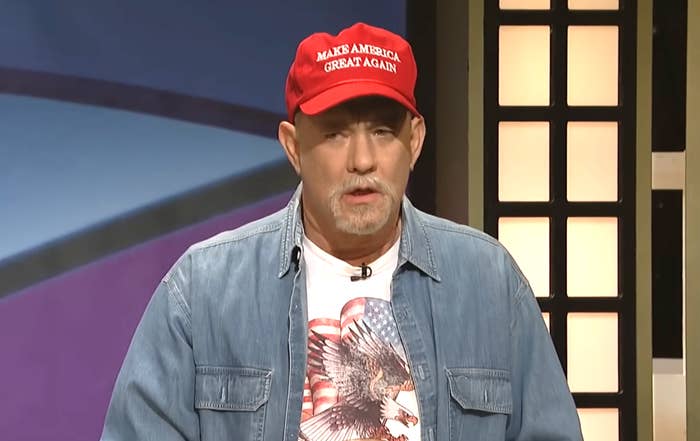
Trying to have a conversation with a Trump supporter can sometimes feel like walking into a political minefield. But the key to surviving — and even winning — isn’t shouting louder; it’s being clever, thoughtful, and strategic with your words. Here’s a list of tried-and-tested comebacks, witty responses, and conversation tricks that let you make your point without being mean.

Some of these strategies are about slowing things down, others about redirecting the conversation. The goal isn’t to “win” every argument but to stay sane, make your point, and maybe plant a seed of thought.
1. “Can you clarify what you mean?”
Instead of reacting emotionally, ask them to explain. For example, when someone says, “Trump did X,” respond with, “Can you tell me what exactly you mean by X?” This shifts the discussion from slogans to specifics.
2. “What’s the outcome you want?”
Redirect the conversation to results. If someone says a policy is great, ask, “If that’s true, what should happen next?” This encourages critical thinking and moves the conversation away from abstract talking points.
3. “Would you say the same if it were someone you know?”
Putting the scenario in a personal context often works better than arguing policy. Asking, “Would you feel the same if Joe or Jane did this?” personalizes the debate and can diffuse rigid thinking.
4. “Let’s slow down for a minute.”
Pause the heated back-and-forth. Sometimes the best response is a calm, measured one. A simple, “Let’s take a minute and think this through,” can stop the echo chamber effect.
5. “I agree on the outcome, let’s discuss the method.”
Establish common ground first: “I want people to be safe and successful too. How do you think we get there?” It prevents the conversation from turning into tribal shouting.

6. “Where did you hear that?”
Asking for sources encourages accountability. Most talking points are repeated from social media or hearsay. Gently requesting verification slows down misinformation.
7. “Can we look at this from another angle?”
Reframing a point can shift the discussion without conflict. “Have you thought about how this policy affects small businesses or local communities?” invites reflection.
8. “That’s interesting — tell me more.”
Genuine curiosity can disarm defensiveness. If someone senses you want to understand rather than attack, they may explain more carefully, revealing gaps in reasoning you can address gently.
9. “What would happen if the opposite were true?”
This hypothetical tactic nudges them to consider the consequences. It can expose double standards or hidden assumptions without confrontation.
10. “Let’s agree on one fact first.”
Starting with agreed-upon facts builds a foundation. From there, discussion can progress logically, instead of bouncing between conflicting assertions.
11. “I respect your opinion, but here’s my perspective.”
Calmly stating your viewpoint prevents escalation. Framing it as perspective rather than “correction” helps the other person stay receptive.

12. “Can we fact-check this together?”
Collaborative fact-checking feels less accusatory than “you’re wrong.” Suggest checking a reputable source together for credibility.
13. “That’s one way to look at it.”
This phrase acknowledges their point without conceding yours. It signals openness and keeps dialogue flowing.
14. “I hear you, but let’s focus on solutions.”
Pivot the conversation toward constructive outcomes. “We both want better healthcare — what’s a practical approach?”
15. “Let’s think long-term.”
Many political arguments fixate on immediate effects. Ask, “How does this look in five or ten years?” to encourage strategic reflection.
16. “What’s a compromise here?”
Identifying middle ground helps neutralize extreme positions and opens room for mutual understanding.
17. “I’d love to hear your reasoning step by step.”
Asking them to articulate logic step-by-step often exposes weak or inconsistent arguments without confrontation.
18. “We can agree to disagree, respectfully.”
Sometimes walking away gracefully is the best strategy. Ending on a calm note preserves relationships while maintaining your viewpoint.
Ultimately, conversations with Trump supporters don’t need to be battles. Strategic, thoughtful engagement, grounded in curiosity and respect, can create dialogue rather than division. These comebacks are tools — use them to navigate tricky discussions, protect your sanity, and maybe even plant a seed of reflection.